
Understanding Shuttering Plywood Performance During Concrete Work
Shuttering plywood is exposed to several working conditions during concrete construction. Fresh concrete creates pressure against the formwork surface, while workers, reinforcement placement, vibration and site handling introduce additional demands on the formwork system.
For this reason, choosing shuttering plywood should involve more than checking its appearance or thickness.
Three important factors influence its performance:
Panel Strength and Support Arrangement
The plywood panel must work together with the supporting framework. Joist spacing, props, clamps, panel dimensions and concrete placement methods all influence the loads acting on the formwork. The panel thickness alone cannot determine whether a shuttering arrangement is suitable.
Bonding and Internal Construction
The quality of veneer bonding influences how the plywood behaves when exposed to moisture and repeated construction activities. Properly manufactured panels should be evaluated against the relevant technical requirements for their intended application.
Surface Protection and Edge Condition
The face and edges of shuttering plywood experience different types of exposure. A protective film can help protect the panel face, while properly sealed edges can help limit moisture entry through exposed veneer layers.
From Plywood Manufacturing to Concrete Formwork: Understanding the Process
The usefulness of shuttering plywood depends on both its manufacturing quality and the way it is handled at the construction site.
Here is an overview of the important stages involved in producing and using construction plywood.
Stage 1: Selection of Wood Veneers
Wood veneers form the individual layers of a plywood panel. Their quality, thickness and suitability influence the construction and consistency of the finished sheet.
Stage 2: Veneer Drying and Preparation
Veneers are prepared to achieve the moisture conditions required by the manufacturing process. Consistent preparation helps support proper bonding between the layers.
Stage 3: Adhesive Application and Layer Assembly
Suitable adhesive is applied to the veneers, which are arranged in a cross-layered construction. This arrangement helps distribute panel stresses and improve dimensional stability.
Stage 4: Pressing and Panel Formation
The assembled veneers are pressed under controlled manufacturing conditions. Pressure, temperature and processing time are important variables that influence the quality of the bonded panel.
Stage 5: Surface Treatment and Finishing
Depending on the product type, the panel may undergo sanding, film application, coating, edge treatment and finishing operations.
Stage 6: Inspection and Dispatch
Finished panels should be checked against the applicable product specifications before packing and dispatch.
Note: The exact manufacturing sequence, machinery and quality-control checks should be confirmed with Jagramji Plywood before presenting this as its own factory process.
How to Calculate Shuttering Plywood Requirements for a Construction Project
Estimating the required quantity of shuttering plywood before starting construction helps contractors plan material purchases and reduce unnecessary wastage.
For a basic flat slab formwork estimate, the following calculation can be used:
Step 1: Calculate the slab area
Slab Area = Length × Width
For example:
- Slab length: 20 metres
- Slab width: 15 metres
- Total area: 300 square metres
Step 2: Calculate the area covered by one plywood sheet
If a sheet measures 1.22 m × 2.44 m:
Sheet Area = 2.9768 square metres.
Step 3: Calculate the theoretical sheet requirement
300 ÷ 2.9768 = approximately 101 sheets.
Step 4: Add an allowance for cutting and wastage
An illustrative 5% allowance gives approximately 106 sheets.
This is only a preliminary surface-area estimate. Actual procurement must consider sheet layout, cutting plans, openings, damaged panels, edge conditions and site-specific requirements. It does not determine the structural suitability or support arrangement of the formwork.
Shuttering Plywood vs Traditional Timber Formwork
Both plywood panels and conventional timber boards are used in construction formwork. However, they differ in how they are manufactured, handled and applied.
| Comparison Factor | Shuttering Plywood | Traditional Timber Boards |
| Panel construction | Multiple bonded veneer layers | Solid timber sections |
| Surface consistency | Generally more uniform | Depends on timber condition |
| Panel dimensions | Manufactured standard sizes | Can vary |
| Cutting and handling | Can be cut to project requirements | Requires suitable timber preparation |
| Surface finish | Film-faced options offer a smooth face | Depends on board surface |
| Reuse | Depends on quality and maintenance | Depends on timber condition and maintenance |
| Selection | Based on product specifications | Based on timber quality and dimensions |
The right material depends on project design, concrete finish requirements, availability, labour and total formwork cost.
Common Problems That Can Reduce Shuttering Plywood Service Life
Even suitable shuttering plywood can experience premature damage when incorrect site practices are followed.
1. Water Entry Through Unprotected Edges
Exposed edges can allow moisture to enter the veneer layers. Edge protection should be applied wherever recommended by the manufacturer.
2. Incorrect Dismantling Practices
Using excessive force or sharp tools during panel removal can damage the surface and edges.
3. Concrete Residue Left on the Surface
Hardened concrete can affect subsequent formwork preparation. Panels should be cleaned carefully after each use.
4. Improper Storage
Leaving plywood exposed to rain, standing water or prolonged sunlight can affect its condition.
5. Incorrect Support Spacing
Using panels without considering the approved formwork design can result in excessive deflection or failure. Support spacing must be determined by competent construction professionals.
How to Evaluate Shuttering Plywood Before Placing a Bulk Order
For builders, dealers and infrastructure contractors, purchasing plywood in bulk requires a systematic product evaluation.
Before confirming an order, consider the following:
- Check the manufacturer’s product specification sheet.
- Verify the actual panel length, width and thickness.
- Understand whether the product is plain, coated or film-faced.
- Ask for information about the adhesive and bonding classification.
- Review relevant test reports and applicable certification.
- Inspect the film surface for visible damage or defects.
- Check the panel edges for separation or delamination.
- Confirm the available stock and delivery schedule.
- Discuss storage, handling and maintenance recommendations.
- Compare the product’s suitability with the project requirements.
A proper evaluation helps buyers make a more informed purchasing decision.
Understanding the Actual Cost of Shuttering Plywood
The purchase price of shuttering plywood is only one part of its overall cost. For contractors, the more useful comparison is the cost associated with each completed formwork cycle.
A simplified calculation is:
Effective plywood cost per cycle = Total panel purchase and maintenance cost ÷ Number of successful reuse cycles
For example, if a hypothetical plywood panel costs ₹2,000 and completes 10 successful cycles, its purchase cost contribution is ₹200 per cycle, excluding labour, cleaning, transport, repair and other expenses.
This comparison should use actual project records and realistic reuse performance rather than assuming that every plywood panel will achieve the same number of cycles.
Shuttering Plywood Solutions for Different Construction Requirements
Every construction project has different formwork requirements. A residential building may require panels for slab and beam construction, while an infrastructure project may involve larger concrete surfaces and more demanding site conditions.
Jagramji Plywood offers its range of shuttering plywood products for buyers seeking suitable solutions for different construction applications.
Explore the available product options:
- Stonic Shuttering Plywood
- Tavrox Shuttering Plywood
- Tarpedo Shuttering Plywood
- Stehlem Shuttering Plywood
Contact the Jagramji team to obtain product-specific information, available dimensions, technical specifications and bulk purchasing details.
Need Help Selecting Shuttering Plywood for Your Project?
Choosing the correct shuttering plywood involves understanding panel construction, surface requirements, bonding quality and the intended concrete application.
Whether you are purchasing plywood for residential construction, commercial developments, industrial buildings or infrastructure work, Jagramji Plywood can help you enquire about suitable product options.
Share your project requirements, preferred panel dimensions and approximate quantity to discuss the available solutions with our team.
Add these unique visual elements
This is where I believe you can create a stronger difference from competitor pages.
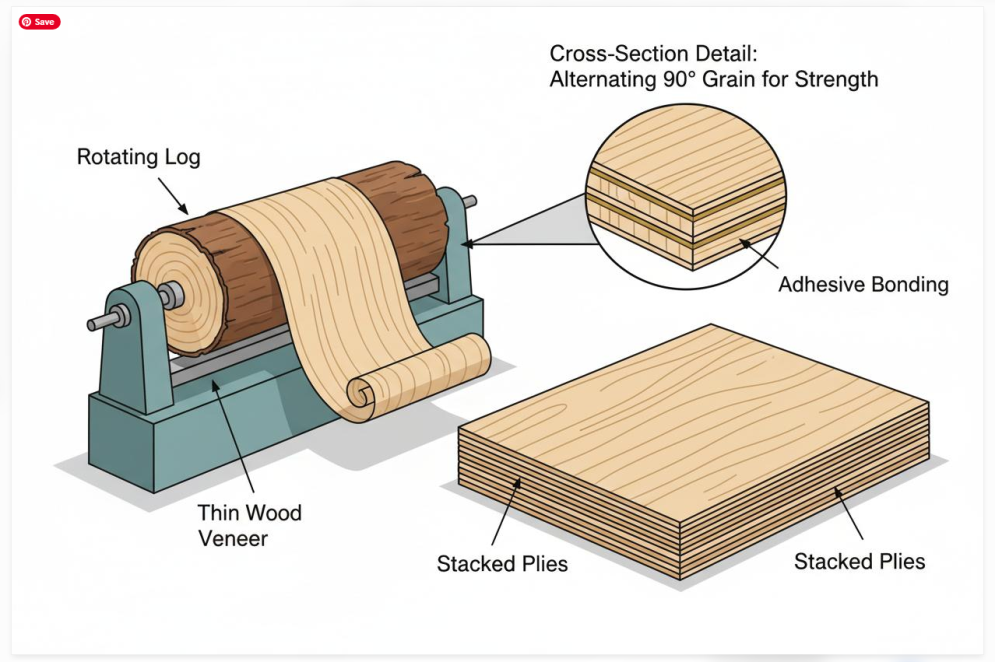
Plywood layer construction diagram
Explain veneer layers, adhesive and cross-grain arrangement.
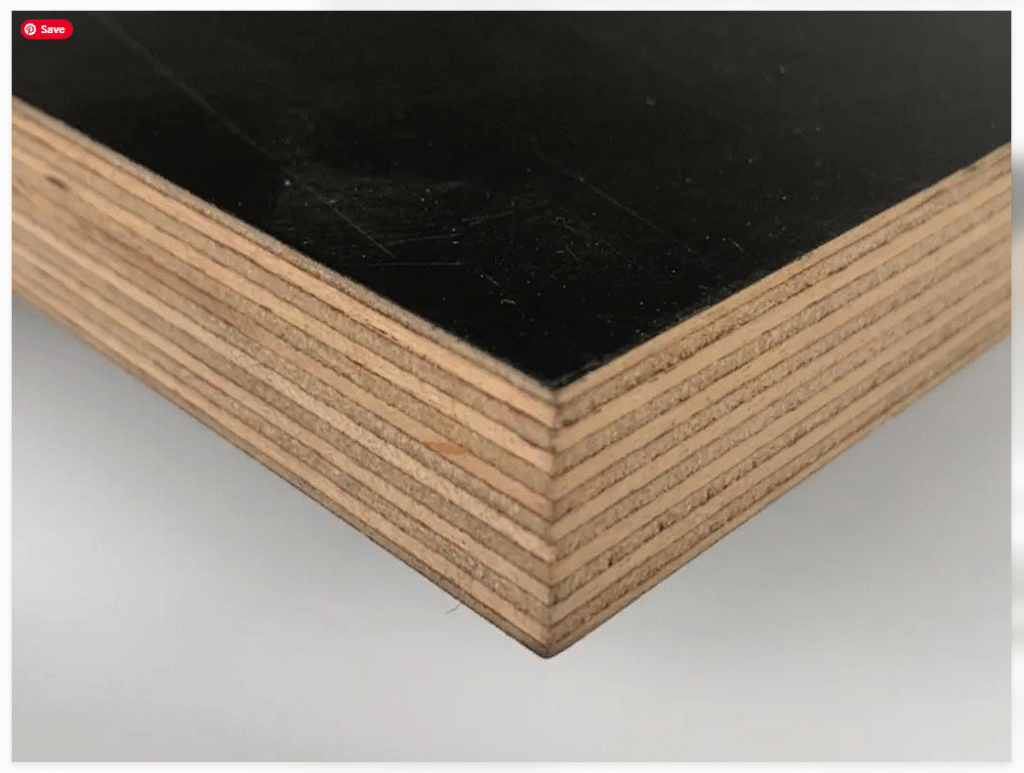
Film and edge protection
Show the difference between the face and exposed edges.
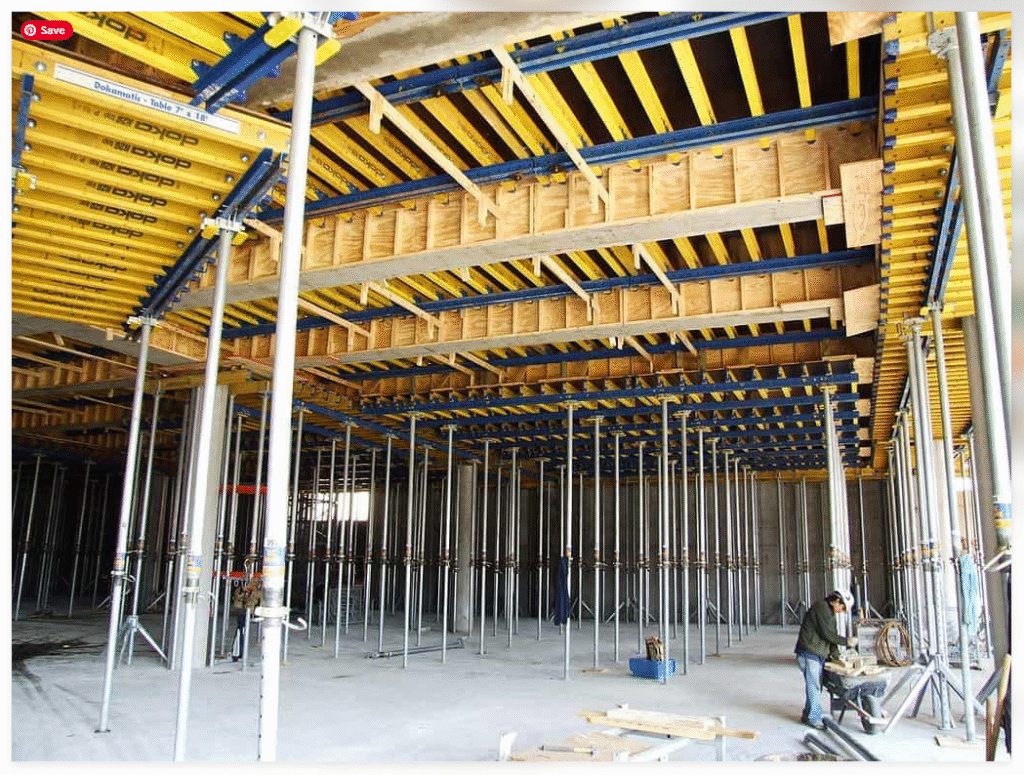
Slab formwork planning
Show plywood panels, joists and supporting props.
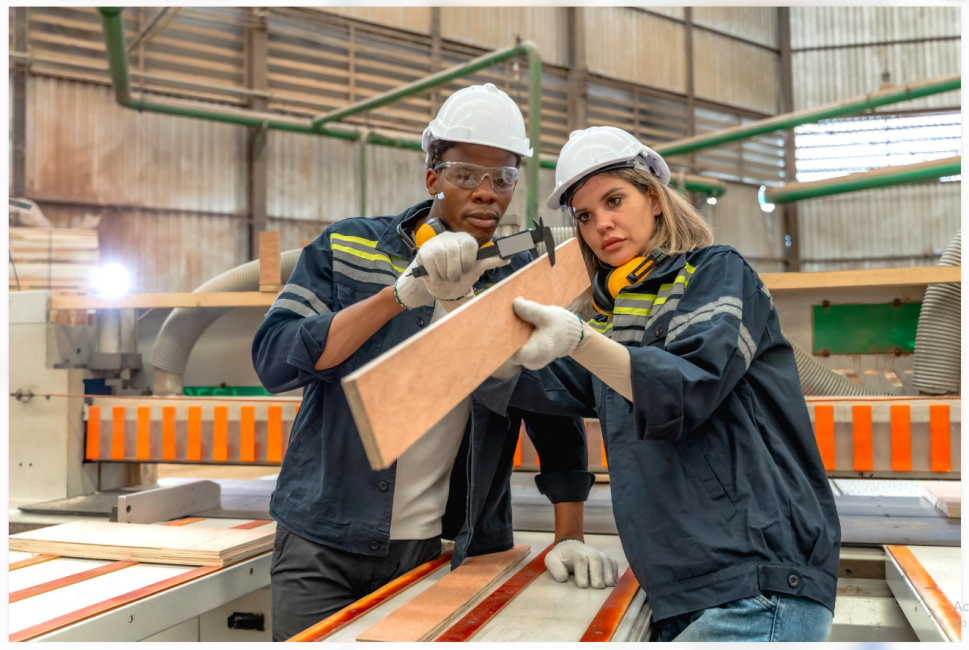
Quality inspection
Show actual thickness measurement and product inspection.
The most important opportunity: Original Jagramji data
This is what can make your page genuinely different from Wikipedia and other manufacturers.
I would like to include a verified technical comparison table:
| Technical specification | Stonic | Tavrox | Tarpedo | Stehlem |
| Available thickness | Confirm | Confirm | Confirm | Confirm |
| Sheet dimensions | Confirm | Confirm | Confirm | Confirm |
| Face finish | Confirm | Confirm | Confirm | Confirm |
| Film GSM | Confirm | Confirm | Confirm | Confirm |
| Core construction | Confirm | Confirm | Confirm | Confirm |
| Bonding classification | Confirm | Confirm | Confirm | Confirm |
| Applicable standard | Confirm | Confirm | Confirm | Confirm |
Frequently Asked Questions
What is shuttering plywood used for?
Shuttering plywood is used to create temporary moulds or formwork for concrete structures, including slabs, beams, columns, walls, foundations and other construction components.
Which plywood is best for shuttering work?
The appropriate shuttering plywood depends on concrete pressure, formwork design, required surface finish, support spacing and reuse expectations. Film-faced plywood is commonly selected for applications requiring a smooth concrete-facing surface.
What is the difference between shuttering plywood and ordinary plywood?
Shuttering plywood is manufactured for concrete formwork applications, with attention to bonding, strength, moisture resistance and surface performance. Ordinary plywood is generally manufactured for furniture, interiors and other applications.
Is film faced plywood suitable for concrete shuttering?
Yes. Film faced plywood is widely used for concrete shuttering because its protective surface helps resist moisture exposure, supports easier concrete release and can provide a smoother concrete finish.
What thickness of shuttering plywood should I choose?
Commonly used options include 12 mm, 15 mm and 18 mm. However, the appropriate thickness must be determined from the formwork design, concrete loads, support spacing and manufacturer specifications.
Can shuttering plywood be reused?
Yes. Suitable shuttering plywood can be reused when properly handled, cleaned, inspected and stored. The actual number of reuse cycles varies with product quality and site practices.
What is IS 4990 in shuttering plywood?
IS 4990 is the Indian Standard specification for plywood used in concrete shuttering work. It covers requirements related to construction, bonding, strength, moisture resistance and other quality parameters.
What is film faced shuttering plywood?
Film faced shuttering plywood is a plywood panel with a protective resin-impregnated surface film. It is used in concrete formwork where surface protection and a smoother concrete-facing finish are required.
Where is shuttering plywood manufactured in India?
Shuttering plywood is manufactured in several industrial centres across India. Yamuna Nagar in Haryana is one of the established plywood manufacturing hubs. Jagramji Plywood operates its manufacturing facility in Yamuna Nagar.
Where can I buy shuttering plywood in bulk?
Builders, contractors, dealers and construction companies can contact Jagramji Plywood for information about its Stonic, Tavrox, Tarpedo and Stehlem shuttering plywood range, product specifications and bulk-order requirements.